Back to School Looking Cool: A Strategic Digital Resource for Creators, Marketers, and Small Business Owners
Every fall, a familiar wave of energy ripples through classrooms, homes, and workplaces. The phrase Back to School Looking Cool captures more than just seasonal aesthetics. It represents a mindset of preparation, presentation, and purpose. For entrepreneurs, educators, freelancers, and creators, this concept can translate into a practical toolkit that supports branding, productivity, and customer engagement. But the value lies not in the idea alone, but in how you choose to use it.
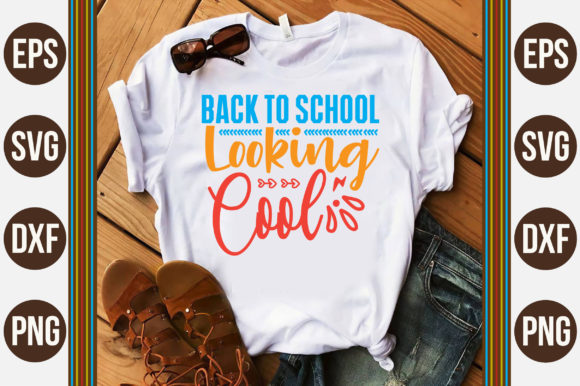
The digital download package built around Back to School Looking Cool includes five file formats: SVG, PNG, EPS, DXF, and JPEG. These are compatible with tools like Cricut, Silhouette, Inkscape, Adobe Photoshop, and Adobe Illustrator. There is no physical product, only a single .zip file containing all five. While that may sound like a simple creative asset, the strategic applications are broader than most people first assume.
This article is written for the professional who wants to think beyond the surface. Whether you run a small shop, manage a classroom, produce content, or build brands, understanding how to deploy a resource like this with intention can improve your results.
What Back to School Looking Cool Actually Offers the Strategic User
At its core, Back to School Looking Cool is a design set. But calling it just a set of graphics undersells its potential. The files are vector-based, scalable, and editable. That means you are not locked into someone else's layout. You can resize, recolour, combine, and adapt the elements to fit your specific context. This flexibility is what makes it a strategic asset rather than a one-time decoration.
For a small business owner, these files can become part of a seasonal campaign. For a teacher, they can enhance classroom materials or parent communications. For a content creator, they can serve as consistent visual branding across social media, newsletters, or product listings. The key is to recognise that Back to School Looking Cool is a raw material, not a finished product. What you make of it depends on your goals.
The five formats included ensure compatibility across almost any design workflow. SVG and EPS are ideal for cutting machines and vector editing. PNG and JPEG work for web and print. DXF is useful for CAD-like applications and certain CNC workflows. By covering all these bases, the download removes friction. You do not need to convert files or chase missing formats. Everything is ready to open and edit in the software you already use.
Planning Your Use of Back to School Looking Cool Around Real Goals
Before you download anything, pause and ask yourself what outcome you want. A common mistake is to accumulate digital resources without a plan. Back to School Looking Cool is most valuable when you connect it to a specific objective.
Consider these scenarios where thoughtful planning changes the outcome:
- If you run an Etsy or print-on-demand shop: You might use the SVG files to create custom apparel, tote bags, or accessories with a back-to-school theme. The word cool in the phrase matters here. Your audience is not looking for generic school clip art. They want designs that feel current, confident, and relevant. Positioning your products around that sentiment can differentiate your store from dozens of competitors using the same tired templates.
- If you are a teacher or educator: The PNG and JPEG files can be incorporated into handouts, bulletin boards, or digital slides. The aesthetic helps you communicate a tone that is both approachable and professional. Students and parents respond to visual consistency, and using a coordinated set of graphics signals that you have prepared with care.
- If you manage a small team or freelance operation: Use the EPS or SVG files in presentations, proposals, or internal documents. A cohesive visual identity, even in routine communications, builds credibility. It tells clients and collaborators that you pay attention to detail.
In each case, the planning step involves deciding not just what you will make, but who it is for and what feeling you want to convey. Back to School Looking Cool leans into confidence and style. If your goal is to communicate something more formal or subdued, you may need to adjust colours, typography, or layout. The files give you that control because they are fully editable.
Positioning and Branding: How Design Assets Support Long-Term Consistency
For entrepreneurs and small business owners, branding is not a one-time exercise. It is built through repeated, coherent touches across every customer interaction. A resource like Back to School Looking Cool can be part of that system if you use it deliberately.
Imagine you operate a tutoring service or an educational supply shop. Your brand voice might be friendly, smart, and aspirational. Using a consistent design language across your website, social media, packaging, and email newsletters reinforces that identity. The Back to School Looking Cool files can serve as a seasonal layer within your brand system. You do not have to redesign everything. You simply adapt your existing templates with this fresh set of graphics to signal that you are current and engaged with the season.
Freelancers and consultants can apply the same logic. If you create digital products such as planners, worksheets, or course materials, the visual quality of your offerings affects perceived value. People judge quality quickly. A well-designed cover page or icon set can tip the balance from maybe to purchase. By using vector files from this download, you ensure your materials look sharp at any size, whether printed or displayed on a screen.
The risk of ignoring positioning is that your materials look generic. If your audience sees the same stock graphics everywhere, they stop noticing you. Back to School Looking Cool gives you a differentiated base to work from, but only if you invest a little effort in customisation.
Creativity and Productivity: Working Smarter with the Right File Formats
One of the practical advantages of this digital download is the range of formats. For anyone who has spent time converting file types or troubleshooting compatibility issues, the convenience is immediate. But there is a deeper productivity angle worth considering.
When you have the SVG and EPS files, you can open them in vector editing software and modify every element. This means you can create multiple variations from a single source file. Change the colour to match your brand palette. Scale the design for a sticker, a shirt, or a poster. Combine elements from different files to create something entirely new. This reduces the time you spend starting from scratch.
For creators who use cutting machines like Cricut or Silhouette, the SVG and DXF formats are essential. They contain the paths that the machine reads to cut your material. Having both ensures you can work with different software versions and machine settings without frustration. The PNG and JPEG files serve as quick previews or ready-to-use images for digital platforms where vectors are not required.
This efficiency matters most when you are producing at scale. If you sell products or create content regularly, shaving even a few minutes off each design iteration adds up. Back to School Looking Cool is not just a design asset. It is a time-saving tool when used within a repeatable workflow.
When to Use Back to School Looking Cool and When to Step Back
Timing matters. The back-to-school season has a natural window, typically late summer through early autumn. But the phrase looking cool suggests an attitude that can extend beyond that calendar. You might use these designs for any content aimed at students, young professionals, or anyone embracing a fresh start. The beginning of a new semester, a new job, or a new project all carry similar energy.
That said, using Back to School Looking Cool without context can backfire. If your audience is not in a back-to-school mindset, the reference may feel out of place. For example, using these graphics in a financial services newsletter or a medical practice handout would likely confuse rather than connect. Always consider whether the aesthetic matches your audience's expectations and your brand's tone.
Another consideration is overuse. If every piece of your communication relies on the same seasonal theme, you risk looking one-dimensional. The best approach is to weave Back to School Looking Cool into a broader visual system, using it as one of several tools rather than your only option. This keeps your brand fresh without becoming repetitive.
Risks of Using Digital Assets Without Clear Goals
It is easy to download a file, use it once, and forget about it. That is the most common risk with any digital purchase. The cost is low, but the opportunity cost is higher. If you do not have a clear plan for how Back to School Looking Cool supports your objectives, you are unlikely to extract meaningful value from it.
There is also a risk of mismatch. Not every design suits every audience. If you are targeting a very formal, corporate, or academic crowd, a design that emphasises cool might undermine your credibility. The solution is not to avoid the resource but to adapt it. Change the colours to something more muted. Simplify the composition. Use only a single element rather than the full design. The files give you that flexibility, but you have to exercise it.
Finally, there is the risk of copyright or usage confusion. While digital downloads like this are typically sold with commercial use rights, you should always check the license terms. Some allow unlimited commercial use. Others restrict resale of the raw files. Know what you are allowed to do before you build a product line around it.
Practical Steps for Getting the Most Out of Your Download
If you have decided that Back to School Looking Cool aligns with your goals, here are a few ways to approach it with intention:
- Audit your current materials. Look at your website, social media, product listings, and communications. Identify where a fresh seasonal visual could add value. This prevents you from creating something you do not actually need.
- Customise before you publish. Open the SVG or EPS file in your preferred software and adjust colours, scale, or layout to match your brand. The raw file is a starting point, not a final product.
- Test on different platforms. Use the PNG for web previews and the JPEG for quick sharing. Make sure the design reads well at small sizes, especially for social media avatars or product thumbnails.
- Plan a campaign, not just a post. Instead of using the design once, think about a series. A matching social media graphic, email header, and product label create a cohesive experience that feels intentional.
- Archive your files properly. Store the .zip and extracted files in a location you can find later. Next year, you may want to reuse or adapt them. Keeping the original files organised saves time.
Long-Term Value Beyond a Single Season
The best digital resources are those that remain useful over time. Back to School Looking Cool fits this description if you treat it as a modular asset. Because the files are vector-based, they do not degrade. You can revisit them next season and update colours or typography to reflect current trends. The core design remains yours to adapt.
For business owners and creators, this kind of reusable resource supports a sustainable workflow. You are not starting from zero every year. You are iterating on a foundation that already works. That is more efficient and more reliable than chasing the latest trend without a system.
In the end, the value of a digital download is not determined by its price or file size. It is determined by what you do with it. Back to School Looking Cool offers a flexible, well-formatted set of designs that can support branding, communication, and product creation for a wide range of professionals. The question worth asking is not whether the files look good, but whether you have a strategy that lets them work for you.
Approach this resource as a tool, not a shortcut. Plan your use, align it with your audience, and customise it to fit your context. When you do, you move beyond simply having a design and into the territory of using it to achieve real results.