Little Miss Back to School SVG: A Practical Toolkit for Seasonal Projects and Year-Round Crafting
Back-to-school season carries a distinct energy. For creators, small business owners, and hobbyists, it represents one of the busiest and most profitable windows of the year. Whether you are producing custom apparel, classroom decor, promotional merchandise, or personal projects, having the right assets ready to deploy can determine whether you meet demand smoothly or scramble at the last minute. Little Miss Back to School SVG is one of those assets designed to fit directly into a broader production workflow, bridging the gap between concept and finished product with minimal friction.
This article walks through what this file set includes, how it interacts with common tools and platforms, and how to integrate it into your own creative or commercial process. The focus is on practical implementation, file management, and quality control so that you can move from download to final output efficiently and consistently.
What Little Miss Back to School SVG Brings to Your Workflow
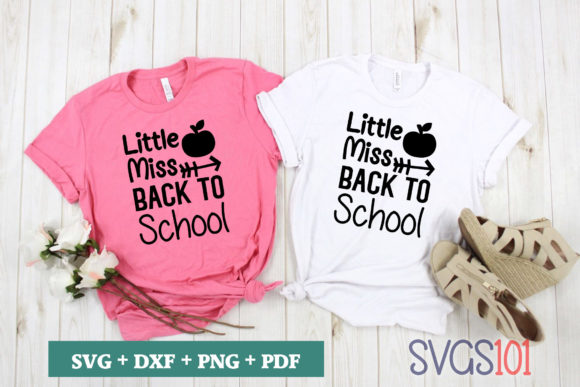
At its core, Little Miss Back to School SVG is a vector-based design file built around the back-to-school theme. It is not a single format locked to one use case. Instead, the package delivers four distinct file types, each serving a specific purpose across different machines, software, and output methods. This multi-format approach means you are not forced to convert or rework files before using them. You can select the appropriate format based on your immediate task, whether that is cutting vinyl, printing sublimation transfers, or producing high-resolution signage.
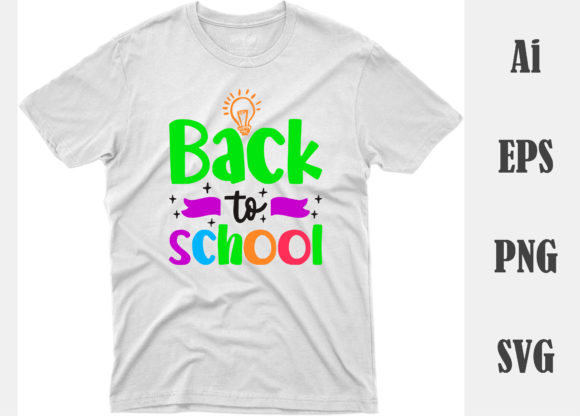
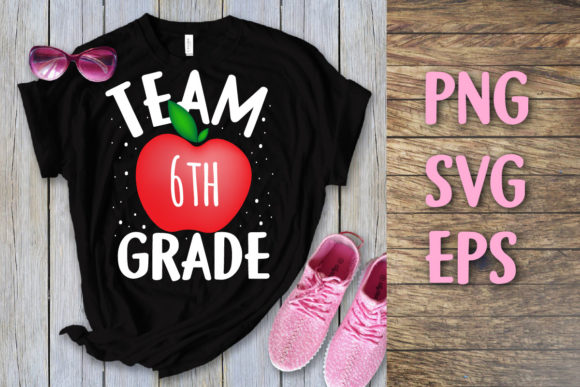
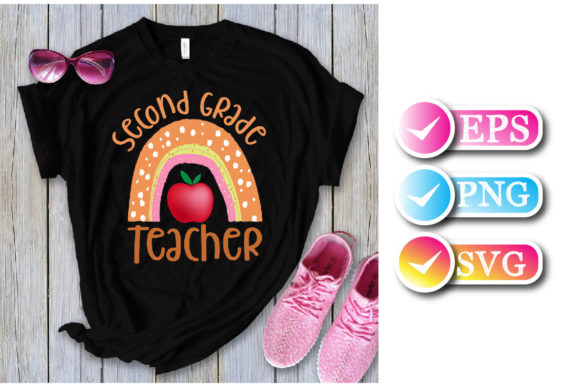
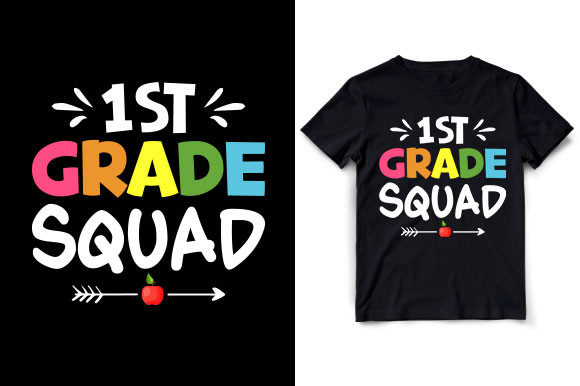
The design itself typically features playful, school-motif elements that resonate with younger audiences and their parents, making it appealing for everything from classroom labels to spirit wear. But the real value lies in how the files are structured and what you can do with them once you understand the format options.
File Formats and Their Specific Roles
Understanding which format to use and when is essential for a smooth process. Each format has a distinct role, and using the wrong one can lead to wasted material, poor output quality, or unnecessary troubleshooting. Here is how each file fits into a practical workflow.
SVG Format – Cutting Machines and Scalable Editing
The SVG (Scalable Vector Graphic) format is the backbone of most cutting machine workflows. If you own a Silhouette or Cricut, the SVG file is your primary working file. It retains all vector paths, which means you can resize the design to any dimension without losing sharpness or detail. This is critical when you are producing multiple items at different sizes, such as a small sticker version and a large hoodie transfer, from the same source file.
In practice, you import the SVG directly into your machine's design software, adjust the size as needed, and send it to cut. The file maintains clean edges and consistent line weights, which reduces the need for manual cleanup. This saves time, especially when working with tighter production schedules during the back-to-school rush.
DXF Format – Alternative Cutting Workflow
The DXF format serves a similar purpose but is often preferred by Silhouette users or those working with Brother Canvas software. While SVG covers most modern cutting platforms, some older or specialized software environments handle DXF more reliably. Including DXF in the package ensures that users on these systems do not need to perform format conversions, which can sometimes alter scale or introduce path errors.
If your primary cutting software supports SVG, you may not need the DXF. However, if you collaborate with other creators or outsource parts of your production, having a DXF file available can simplify file sharing across different toolchains.
PNG Format – Sublimation, Printing, and Digital Use
The PNG file is a high-resolution raster image with a transparent background. This is the format you reach for when your workflow involves sublimation printing, standard inkjet or laser printing, or digital placement on mockups and previews. Transparent backgrounds are essential for clean overlays on colored garments, mugs, or other substrates without awkward white boxes around the design.
For sublimation specifically, you load the PNG into your printer software, adjust print settings for the transfer paper, and press onto your chosen substrate. Because the PNG is already high resolution, you can scale it to a reasonable range without noticeable pixelation, though vector formats (SVG, PDF) remain superior for extreme scaling.
Beyond physical production, the PNG file is useful for creating social media previews, product mockups, or digital invitations. Its transparency and resolution make it a versatile bridge between design and marketing.
PDF Format – High-Quality Vector Printing
The PDF format holds the same vector data as the SVG but in a universally accessible document container. This is the safest option when you need to send a file to a commercial printer, use it with software that does not support SVG natively, or produce high-resolution prints on any printer or machine without worrying about format compatibility.
PDF files preserve the crispness of the vector paths and can be opened by virtually any device or operating system. For creators who outsource printing to a third-party service, sending a PDF ensures the printer receives exactly what you designed, with no unexpected formatting shifts.
Handling the ZIP Compression and File Extraction
The files arrive inside a compressed ZIP archive, a standard packaging method that keeps all formats organized and reduces download size. After downloading, you will need to extract the files using software such as WinZIP or WinRAR on Windows, or the built-in extraction tools on macOS. Once extracted, you have immediate access to all four formats in a single folder.
A practical tip: after extraction, create a dedicated master folder on your hard drive or cloud storage labeled by theme or season. Storing the extracted files in an organized structure ensures you can locate them quickly when production ramps up. Naming conventions like Little-Miss-BTS-SVG-master paired with subfolders for SVG, DXF, PNG, and PDF reduce search time during busy periods.
Scalability and Quality Control Across Outputs
One of the stronger aspects of this file set is that all vector files are editable and resolution-independent. You can scale them up or down without quality loss, which directly supports efficient material usage. For example, you might cut small stickers from scrap vinyl using a reduced scale, then use the same file at full size for a large poster or bag decoration. The consistency stays intact because the vector math holds true at any dimension.
From a quality control standpoint, it is worth verifying your cutting machine settings before running production. Even well-constructed SVGs can yield inconsistent results if blade depth, pressure, or material type are misconfigured. Test on scrap material first, especially when using the DXF format, as some software versions handle layer properties differently.
Practical Use Cases Across Real Projects
The full value of Little Miss Back to School SVG becomes apparent when you consider the range of projects it supports within a typical workflow. Here are several ways the file set integrates into actual production contexts.
Apparel and Accessories Production
Using the SVG or PNG files, you can produce custom T-shirts, hoodies, and other garments either through heat transfer vinyl or sublimation. For small batch runs, HTV with a Cricut or Silhouette works well. For larger runs, you might send the PDF to a screen printer or use the PNG for direct-to-garment printing. The flexibility to switch between methods without redesigning is a practical time-saver.
Cutting Machine Projects
The SVG and DXF formats are built for cutting machines. Whether you are producing layered vinyl decals, iron-on transfers, or cardstock cutouts, the vector paths are clean and ready to process. Grouping similar cuts on shared mats minimizes material waste, and the ability to resize quickly helps when fulfilling orders of varying sizes.
Hardware and Accessory Decoration
Phone cases, mugs, and similar rigid surfaces benefit from the PNG format, especially for sublimation. Because the background is transparent, you can position the design precisely on curved or irregular surfaces without guessing at alignment. Testing placement with a paper printout before committing to the sublimation press is a simple but effective quality control step.
Sticker and Label Production
Stickers are a high-margin product during back-to-school season. Using the SVG file with a cutting machine, you can produce kiss-cut or die-cut stickers efficiently. The vector format ensures consistent cutting paths around the design, which is especially important for intricate shapes. Pairing the cut files with a PNG-based print layer gives you a complete sticker production workflow from one source.
Invitations and Paper Goods
The PDF format excels when producing printed materials such as invitation designs, classroom notes, or event flyers. You can open the PDF directly in any desktop publishing software, adjust the layout for multiple-up printing on letter or A4 sheets, and output professional-quality prints at home or through a print shop.
Bags, Posters, and Decorations
For larger-format outputs like bags, posters, or room decorations, the scalability of the vector files eliminates concerns about resolution. You can print a poster at 24 by 36 inches and the edges will remain as sharp as a business card-sized version. This is particularly useful for teachers or event organizers who need consistent branding across multiple print sizes.
Integration with Broader Planning and Processes
Integrating Little Miss Back to School SVG into your routine works best when you treat it as a resource, not a one-off download. If you are a small business owner, map out your seasonal product line at least four to six weeks before the peak shopping period. Identify which items will use which format, and batch-prepare your cutting and printing setups accordingly.
For educators and hobbyists, consider creating a template library where you store extracted SVG and PNG files by theme. When you need a quick bulletin board decoration or student gift, you can pull from this library rather than searching for downloads each time. This kind of pre-organization reduces decision fatigue and keeps project momentum steady.
If you collaborate with other creators or outsource parts of production, share the PDF or SVG files depending on their workflow. Communicating the format preferences upfront avoids repeated email exchanges and keeps timelines predictable.
Long-Term Usability and File Management
Because the files are vector-based and editable, they remain usable across multiple seasons and projects with minor modifications. You can recolor elements, combine with other designs, or scale for entirely new product lines without starting from scratch. This long-term reusability makes the download a practical investment rather than a single-use asset.
To protect that investment, maintain backup copies of the extracted files both locally and in cloud storage. ZIP archives are convenient for transfer but extracting and organizing the contents immediately after download gives you faster access and reduces the chance of accidental re-downloads months later.
Final Observations on Workflow Efficiency
The strength of Little Miss Back to School SVG lies not in any single feature, but in how the format set mirrors the real steps of production planning. You have a format for cutting, a format for printing, a format for sublimation, and a format for universal distribution. Each one corresponds to a specific phase of the workflow, and having them all available from one download eliminates the need for conversion tools or manual tracing.
When you approach the back-to-school season with this kind of organized asset, the focus shifts from file troubleshooting to actual making. That is where the practical value lives, in the ability to move smoothly from idea to finished product with fewer interruptions and more consistent results.