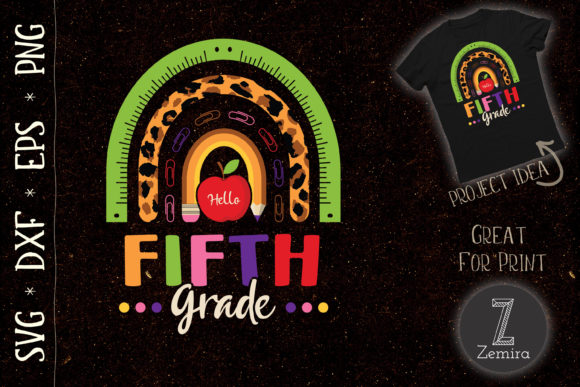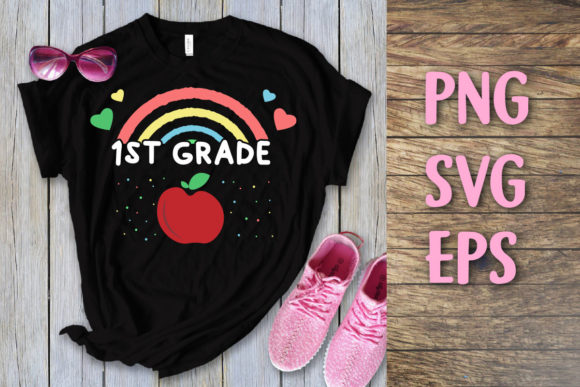
First Grade Back to School SVG for T-Shirt Designs
A well-crafted design file can be the difference between a product that sits on the shelf and one that sells out within days. For print-on-demand entrepreneurs, educators, and creators, the search for versatile, high-quality artwork is constant. The 1st Grade Back to School Svg T-shirt offers exactly that kind of utility—a single asset that can generate multiple product lines across different platforms and formats. This isn't just about a t-shirt graphic; it's about a scalable business tool.
Whether you run a small Etsy shop, manage a larger print-on-demand store, or create custom items for local schools, understanding how to maximize one design file is essential. This article walks through what makes this SVG useful, where it fits best, and how you can turn it into consistent revenue without reinventing the wheel for every product.
What Makes This SVG Stand Out
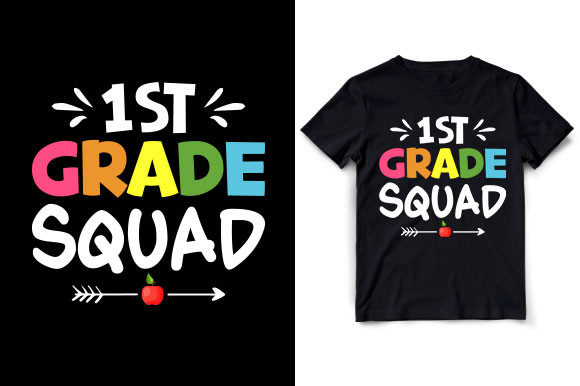
The appeal of a back-to-school SVG lies in its timing and emotional resonance. Parents, teachers, and family members are actively looking for ways to celebrate milestones, and the first grade is a major one. The Back to school t-shirt design embedded in this SVG format provides a clean, scalable vector that can be resized without losing quality. That means you can use the same file for a toddler-size tee or an adult hoodie without pixelation or distortion.
Key characteristics worth noting include the layered structure of the design, the compatibility with cut machines like Cricut and Silhouette, and the flexibility to modify colors or elements before printing. Because SVGs preserve transparency and individual paths, you can isolate parts of the design and recolor them to match different shirt colors or branding needs. This is a practical advantage over static PNG or JPEG files, which lock you into a single color scheme.
Another strength is the thematic clarity. The design immediately communicates a milestone—entering first grade—which helps customers self-identify with the product. In a crowded marketplace, that specificity can improve conversion rates because shoppers know exactly who it's for.
Practical Applications Across Products
The real value of a quality SVG is how many product categories it can serve. Here is a realistic breakdown of where this design fits naturally:
- T-shirts and apparel: This is the obvious starting point. Use the SVG directly on cotton, tri-blend, or performance tees. Offer size ranges from toddler to adult to capture the whole family.
- Hoodies and sweatshirts: First-day-of-school photos often involve hoodies, especially in cooler climates. The SVG scales well for chest prints or large back designs.
- Tote bags: Teachers and parents use tote bags for daily carry. A back-to-school design turns a simple bag into a conversation starter or a gift item.
- Mugs and drinkware: A wrapped version of the design works for coffee mugs, travel tumblers, and water bottles. Teachers especially appreciate themed drinkware for their classrooms.
- Phone cases and tablet skins: Parents and older siblings often personalize their devices. A clean SVG can be printed or used as a vinyl cutout for hard cases.
- Vinyl decals and stickers: This is a low-cost entry point. Produce die-cut stickers or car decals that customers can use on laptops, notebooks, or water bottles.
- Iron-on transfers: Sell the design as a printable heat transfer sheet for DIY customers who want to make their own shirts at home.
- Book covers and notebooks: Design an 8.5x11 printable that wraps around composition books. Teachers and parents buy these in bulk for classroom organization.
- Cards and invitations: Use the SVG for back-to-school party invitations, thank-you cards for teachers, or milestone announcements.
- Wall art and signs: Frame a printed version as a kid's room decoration or classroom sign. The milestone theme works well for yearly photo props.
Real-World Use Cases for Creators and Entrepreneurs
Consider a freelancer who runs a small print-on-demand store on Etsy and Redbubble. Instead of creating separate files for each product variation, they upload the 1st Grade Back to School Svg T-shirt design as a base asset. On Etsy, they list it as a digital download for DIY customers who own cut machines. On Redbubble, they apply it to multiple product types—shirts, hoodies, stickers, mugs, and phone cases—with one upload. That single design file becomes the foundation for dozens of product listings.
A teacher or PTA volunteer might use the SVG to create a uniform design for a school-wide first-grade event. By printing the same graphic on t-shirts and tote bags, the visual identity remains consistent across different merchandise. The SVG format also allows them to swap colors to fit the school's palette without needing a graphic designer on retainer.
For a hobbyist who owns a Cricut machine, this SVG becomes a weekend project. They can cut heat-transfer vinyl, weed out the design, and press it onto shirts for their own children or to sell at a local market. The layered nature of the file makes it straightforward to work with, even for someone still learning the ropes of vinyl cutting.
Usability and Efficiency Benefits
One of the most underrated advantages of using an SVG for a Back to school t-shirt design is the time saved during production. When you have a vector file, you avoid the need to trace, redraw, or clean up bitmap artifacts. This means less time in Adobe Illustrator or Inkscape and more time focused on listing optimization, customer service, or expanding your product range.
Professionals who manage multiple POD shops will appreciate how quickly the design can be adapted to different platforms. Most print-on-demand services accept SVG files directly, and the transparent background eliminates the need for manual clipping or masking. This reduces the risk of printing errors, which can lead to costly refunds or negative reviews.
From a branding perspective, a consistent visual language across products builds trust. When a customer sees the same high-quality design on a shirt, a mug, and a sticker, it reinforces the professionalism of the seller. Even if you are a solo creator, small touches like color consistency and proper scaling make your shop feel more established.
Practical Considerations for Selecting and Using SVG Designs
Not all SVG files are created equal. Here are a few things to evaluate before committing a design to your product lineup:
- File structure: Check that the SVG uses clean, closed paths. Some free designs have overlapping lines that cause issues with cut machines or screen printing.
- Scaled preview: Open the file at both small and large sizes to ensure no details break apart. Text that looks crisp at 300 pixels may become jagged at 3000 pixels if the SVG was poorly constructed.
- Color layers: Confirm that elements are grouped by color. This makes recoloring and separating for vinyl cuts much easier.
- Commercial license: Verify that the SVG includes a commercial use license if you plan to sell finished products. Many marketplaces offer both personal and commercial licenses.
- Test print: Before listing across multiple products, run a single test transfer or print. Check alignment, heat settings, and fabric compatibility. This small step prevents larger problems down the line.
For those using cutting machines, also consider the size of the design relative to the material. A detailed SVG with very thin lines may not cut cleanly on adhesive vinyl. In those cases, simplify the design or increase the stroke width before cutting. Most vector editing software lets you adjust these parameters without damaging the core artwork.
Maximizing the Design Across Seasons and Events
While the theme is centered on first grade, you can extend the design's lifespan by offering it in multiple colorways. A classic rainbow palette works for general back-to-school buys. A monochrome version suits a more minimalist or modern aesthetic. A school-specific color variant can be marketed directly to local parent groups or teachers.
You can also offer the design as part of a bundle. Combine the first-grade SVG with similar designs for preschool, kindergarten, or second grade to create a yearly set. Parents who have multiple children appreciate being able to buy a cohesive set of shirts or stickers for the whole family. Bundles also increase average order value without requiring additional design work.
Another approach is to create a "photo prop" version of the design. Resize the SVG to a larger format and pair it with a simple backing so parents can hold it as a sign for first-day pictures. This adds a separate, low-cost product that complements the apparel line.
Final Observations for Print-on-Demand Sellers
The most successful POD sellers are not the ones with the most designs; they are the ones who know how to extract maximum value from a single, high-quality asset. The 1st Grade Back to School Svg T-shirt design is that kind of asset when chosen thoughtfully. It serves a clear, emotional need, adapts across multiple product categories, and requires minimal modification for different platforms.
Focus on file quality, test your production process, and think about how the design fits into a broader product ecosystem. Whether you are a parent creating items for your own children, a teacher outfitting a classroom, or a business owner scaling a POD shop, this SVG format gives you the flexibility to produce professional-grade merchandise without the overhead of custom illustration for every product. That efficiency translates directly into more consistent output, fewer wasted materials, and a better experience for your customers.