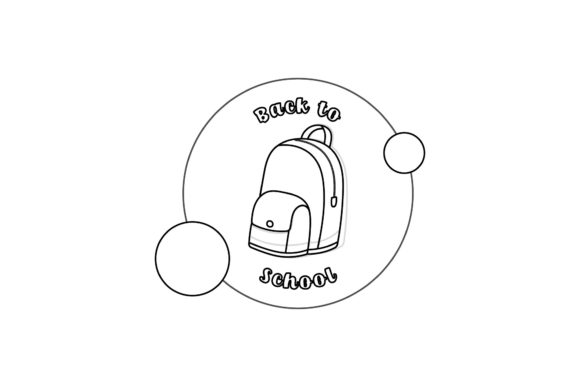
Backpack Line Style Vector for Design
Every designer knows that the right vector asset can make or break a project’s efficiency. When you open a clean, scalable Back to School Backpack Line Style file, you’re not just getting a single icon — you’re unlocking a versatile foundation for logos, animations, merchandise, and more. This specific line style combines minimalism with immediate recognizability, making it a go-to choice for designers working on educational campaigns, retail branding, or seasonal marketing materials. The beauty lies in its simplicity: crisp contours, balanced proportions, and a silhouette that communicates readiness and creativity without visual clutter.
Why Line Style Vectors Matter in Modern Design
Line art has surged in popularity across graphic design because it adapts effortlessly to both digital and print environments. A Back to School Backpack Line Style Vector Design Graphic offers more than just aesthetics — it provides structural clarity. Whether you are building a brand identity for a tutoring center or creating social media graphics for a supply drive, this style ensures your visuals maintain hierarchy and focus. The absence of fills or gradients forces the viewer to appreciate form and negative space, which is essential for clean modern aesthetics.
From a workflow perspective, vector files eliminate the frustration of resolution loss. The download includes AI, EPS, PNG, JPG, and SVG formats, so you can open, edit, and resize without ever worrying about pixelation. This flexibility is crucial when the same graphic needs to appear crisp on a billboard, a mobile screen, and embroidered on a T-shirt.
Practical Applications Across Creative Projects
This line style backpack works beautifully in several key areas:
- Branding and logo design – Use the silhouette as a mark for youth-oriented brands or educational startups. Its simplicity pairs well with bold typography and a restrained color palette.
- Marketing materials – Flyers, brochures, and posters benefit from the vector’s scalability. It can anchor a back-to-school campaign without overpowering copy.
- Social media content – Line art performs well in Instagram stories and feed posts, especially when paired with animated strokes or subtle motion.
- Website and UI design – The icon can serve as a navigation element or a hero graphic, supporting visual hierarchy without distracting from user goals.
- Packaging design – Notebook covers, lunch bags, or stationery packaging gain a modern editorial feel when the line art is used as a repeated pattern or central motif.
- Merchandise and apparel – T-shirts, tote bags, and hoodies become cohesive brand touchpoints when the design is screen-printed or heat-pressed.
Each application benefits from the vector’s editability. You can adjust stroke weights, swap colors, or combine the backpack with complementary icons to create a cohesive visual system.
Selecting and Using Vector Assets Effectively
When evaluating any creative asset, consider three factors: consistency, readability, and scalability. The backpack line style excels on all fronts because it follows a predictable visual language. The curves are smooth, the angles are intentional, and the overall form reads instantly as a backpack — even at very small sizes.
To integrate this into an existing brand system, start by testing the line weight against your current typography. If your brand uses bold sans-serif headers, a slightly thicker stroke on the backpack will harmonize the two elements. For editorial design or web interfaces where minimalism is key, a thinner line keeps the visual feel lightweight and modern.
Color Palette and Composition Tips
While line art is often monochromatic, you can introduce color to emphasize specific elements. For example:
- Use a vibrant accent color for the backpack’s main outline to draw attention in a hero banner.
- Pair the vector with a muted background and a single contrasting shade for social media graphics.
- In packaging design, let the line art sit in a neutral tone while the product name uses a bold hue.
The PNG and JPG files included in the download make it easy to prototype these variations before committing to the editable AI or EPS versions. This iterative approach saves time and ensures the final output aligns with audience expectations and design goals.
Typography and Visual Hierarchy
A line style backpack works best when paired with typefaces that share its clean character. Sans-serif fonts with even spacing and moderate contrast complement the silhouette’s straightforward geometry. For headlines, consider a weight that matches the stroke thickness — this creates a unified composition where no single element dominates the other. In UI design, the icon can sit beside micro-copy for “Back to School” navigation or filter options, supporting UX clarity without adding cognitive load.
The Practical Value of a Full Format Package
Receiving AI, EPS, PNG, JPG, and SVG files in one download means you can jump straight into production regardless of your preferred software. The AI file is ideal for Adobe users who want to adjust anchor points, while the SVG works seamlessly in web development and prototyping tools like Figma or Sketch. The high-resolution PNG and JPG are ready for quick mockups or client presentations. This variety reduces friction in the design workflow and lets you focus on creative decision-making rather than file conversion.
Whether you are a freelance designer preparing a pitch deck, a marketing manager building an email campaign, or a small business owner refreshing your brand identity, having openable, editable, and resizable assets is a professional necessity. The backpack line style vector delivers on this promise without compromising on visual impact.
Thoughtful design choices — from selecting the right vector style to pairing it with appropriate typography and color — elevate both aesthetics and communication. A quality asset like this line style backpack not only saves production time but also ensures your message lands with clarity and visual appeal, season after season.